
Digital technology has reshaped the way we live, work, and play. But as we’ve become increasingly immersed in a world of screens and social media, concerns about our mental wellbeing have grown. In this article, we’ll delve into the latest research on the impact of digital technology on mental health and explore practical strategies for finding a healthy balance between our digital lives and our mental wellbeing.
The Dark Side of Digital Technology
Constant connectivity is often hailed as one of the digital age’s greatest benefits, but it can also be a source of burnout, anxiety, and depression. Studies have shown that excessive screen time can have a range of negative effects, including disrupted sleep patterns, reduced physical activity, and decreased face-to-face social interaction. Social media, in particular, can create unrealistic expectations, foster cyberbullying, and erode self-esteem. The digital age is a double-edged sword, offering both opportunities for connection and community, and risks to our mental wellbeing.
The Role of Gaming in Mental Health
Gaming has become a global phenomenon, with millions of players worldwide. While it can provide a sense of community and belonging, it can also be a source of stress, anxiety, and addiction. Research has shown that excessive gaming can have negative effects on mental health, including decreased motivation, decreased self-esteem, and increased feelings of loneliness. However, gaming can also have positive effects, such as improved social skills, enhanced problem-solving abilities, and increased cognitive function. The key is to find a balance that works for you, one that allows you to enjoy the benefits of gaming without compromising your mental wellbeing.
Take, for example, the experience of parents at Fortunica, a UK-based primary school. They’ve reported that their children’s involvement in online gaming has helped them develop teamwork and communication skills, as well as improved their problem-solving abilities and memory. However, it’s essential to monitor and regulate gaming habits to prevent excessive play and maintain a healthy balance with other activities.
Practical Strategies for Boosting Mental Wellbeing
So, what can we do to maintain a healthy balance between our digital lives and our mental wellbeing? Here are some practical strategies to consider:
-
Set boundaries: Establish clear limits on screen time, gaming, and social media use, and stick to them.
-
Take breaks: Regularly disconnect from digital technology to rest and recharge, and make time for activities that bring you joy and relaxation.
-
Practice self-care: Engage in activities that promote physical, emotional, and mental wellbeing, such as exercise, meditation, and mindfulness.
-
Seek support: Reach out to friends, family, or mental health professionals for help and guidance when you need it.
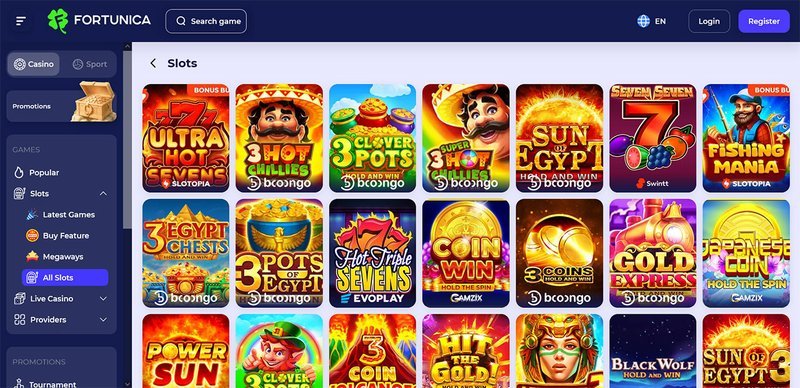
Best fortunica casino online in United Kingdom -
Explore more at Fortunica.
Pursue offline activities: Engage in hobbies, sports, or other activities that promote social connection and a sense of community, and help you feel more grounded and connected to the world around you.
Conclusion
Maintaining a healthy balance between our digital lives and our mental wellbeing requires awareness, self-regulation, and intentional practice. By understanding the potential risks and benefits of digital technology, and by implementing practical strategies to promote mental wellbeing, we can harness the benefits of the digital age while minimizing its negative effects. By prioritizing mental health and wellbeing, we can build a healthier, more resilient, and more connected society – both online and offline.
